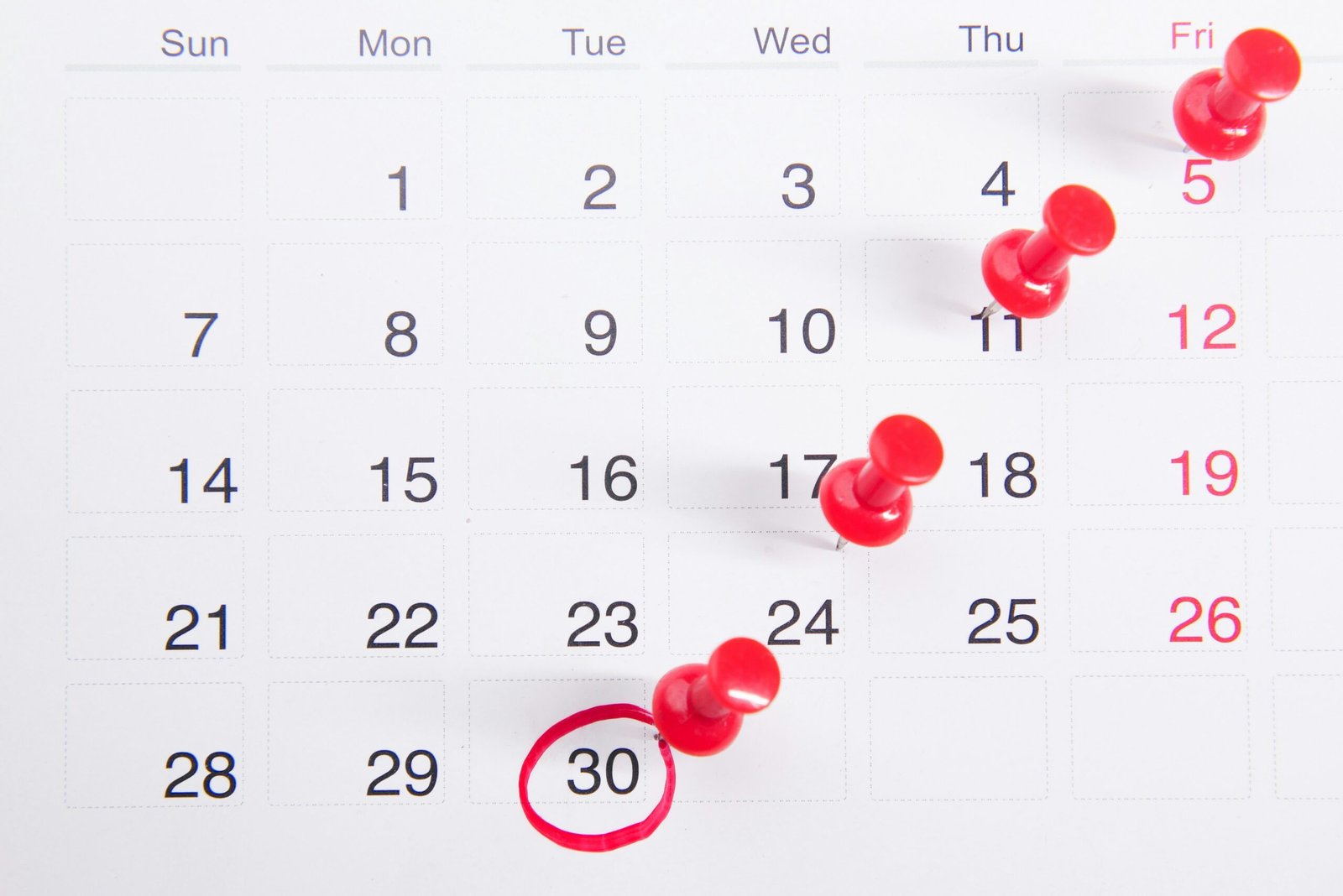
Scheduling a meeting in Spanish —whether it’s a reunión, a call, or a professional appointment— can feel more challenging than it seems. It’s not just about translating words: you need to sound clear, professional, and natural. In this article, you’ll find las mejores frases en español para concertar una cita, explained in English but with real Spanish examples you can use immediately at work.
Why learning Spanish phrases to schedule a meeting matters
Being able to schedule a meeting confidently in Spanish is a key skill for any professional working with Spanish‑speaking colleagues, clients, or partners. It helps you:
- Communicate efficiently
- Avoid misunderstandings
- Sound more natural and professional
- Build trust from the very first interaction
Whether you’re arranging a quick call or setting up a formal meeting, having the right expressions ready makes everything smoother.
Common situations when you need to schedule a meeting
Different contexts require different tones and levels of formality. These are the most typical scenarios:
Scheduling a formal meeting
When you need to sound polite and professional, these phrases work perfectly:
- ¿Podemos concertar una reunión esta semana? — Can we schedule a meeting this week?
- ¿Le viene bien reunirnos el jueves por la mañana? — Would Thursday morning work for you?
- Me gustaría agendar una reunión para hablar del proyecto. — I’d like to schedule a meeting to discuss the project.
Mini‑dialogue (formal)
— Buenos días, ¿le viene bien reunirnos mañana? Good morning, would it work for you if we meet tomorrow?
— Sí, a primera hora me va bien. Yes, first thing in the morning works for me.
Scheduling an informal or internal meeting
For colleagues you already know or a more relaxed environment:
- ¿Te va bien si nos reunimos mañana? — Does it work for you if we meet tomorrow?
- ¿Cuándo te viene bien hacer una llamada rápida? — When is a good time for a quick call?
- ¿Hacemos una reunión corta para revisar esto? — Shall we have a short meeting to review this?
Mini‑dialogue (informal)
— Oye, ¿hacemos una reunión rápida después de comer? Hey, should we have a quick meeting after lunch?
— Perfecto, a las 3 estoy libre. Perfect, I’m free at 3.
Useful Spanish phrases to propose dates and times
Once you’ve expressed the intention to meet, you’ll need phrases to suggest specific options.
Offering time slots
These expressions help you propose a clear time frame:
- Puedo el martes a las 10:00, ¿te viene bien? — I’m available on Tuesday at 10:00, does that work for you?
- Tengo disponibilidad el viernes por la tarde. — I’m available on Friday afternoon.
- Si te encaja, podemos hablar mañana a primera hora. — If it works for you, we can talk first thing tomorrow.
Being flexible with your schedule
Sometimes you want to show openness and adapt to the other person’s agenda.
Phrases to express flexibility
- Me adapto a tu horario, ¿cuándo te viene mejor? — I can adapt to your schedule, what works best for you?
- Estoy disponible en varios momentos del día, tú me dices. — I’m available at different times during the day, you tell me.
- Puedo ajustarme si necesitas otro dia / otra hora . — I can adjust if you need a different time.
Common mistakes English speakers make
A few small adjustments can make your Spanish sound much more natural:
- ❌ Agendar una llamada contigo suena bien?
- ✔️ ¿Te viene bien si agendamos/concertemos una llamada? (Does it work for you if we schedule a call?)
- ❌ Puedo hacer una reunión en 3 PM.
- ✔️ Puedo hacer una reunión a las 15:00. (I can have a meeting at 3 PM.)
- ❌ Estoy libre en la tarde.
- ✔️ Estoy libre por la tarde. (I’m free in the afternoon.)
Confirming, rescheduling, and closing the arrangement
Scheduling doesn’t end when you propose a time — you also need to confirm or adjust details.
Confirming the meeting
- Perfecto, quedamos entonces el miércoles a las 15:00. — Perfect, so we’ll meet on Wednesday at 3:00 PM.
- Confirmado, nos vemos el lunes. — Confirmed, see you on Monday.
- Genial, lo apunto en mi calendario. — Great, I’ll add it to my calendar.
Rescheduling politely
Because plans change, and you want to sound professional:
- ¿Podemos mover la reunión a otro día? — Can we move the meeting to another day?
- Me ha surgido un imprevisto, ¿te parece si lo cambiamos de hora? — Something unexpected came up, is it okay if we change the time?
- ¿Te viene bien reprogramar/ponerla para mañana? — Would it work for you to reschedule for tomorrow?
Closing the message naturally
- Gracias, quedo pendiente —I’ll be waiting for your update.
- Quedo a tu disposición — I’m at your disposal..
- Hablamos pronto. — Talk soon.
- Nos vemos en la reunión. — See you at the meeting.
Conclusion
Mastering the right Spanish phrases to schedule a meeting helps you communicate with confidence and professionalism in any business context. With just a few natural expressions, you can arrange calls, confirm appointments, and coordinate with Spanish‑speaking teams smoothly and effectively.
If you want to feel even more confident speaking Spanish at work —from scheduling meetings to negotiating or presenting— you can start with a free trial class at Workinspanish. We’ll help you sound natural, clear, and professional in every interaction.
If you want to develop these skills and communicate with clarity in Spanish, I can help you take the next step.
Foto de Towfiqu barbhuiya en Unsplash